How Does AI Actually "Think"?
Hi! I’m Robby. As an AI engineer, I spend a lot of time building systems that can "see" and "learn." A lot of people ask me, "How does a computer actually understand messy, real-world data?"
The secret is something called an activation function.
Think of a neural network like a giant team of people working together. Each person (or "neuron") has a job to do. But they don't just shout out their answer all the time. They need a rule to decide when to speak up. That rule is the activation function.
Why Do We Need Them?
Without activation functions, a neural network is just a boring math machine. It could only solve simple, straight-line problems.
But the real world is messy! To recognize a cat in a photo or understand your voice, the AI needs to handle curvy, complicated patterns. Activation functions allow the AI to "fire" its signal only when it finds something important. This is what makes AI smart.
Meet ReLU: The Most Popular Choice
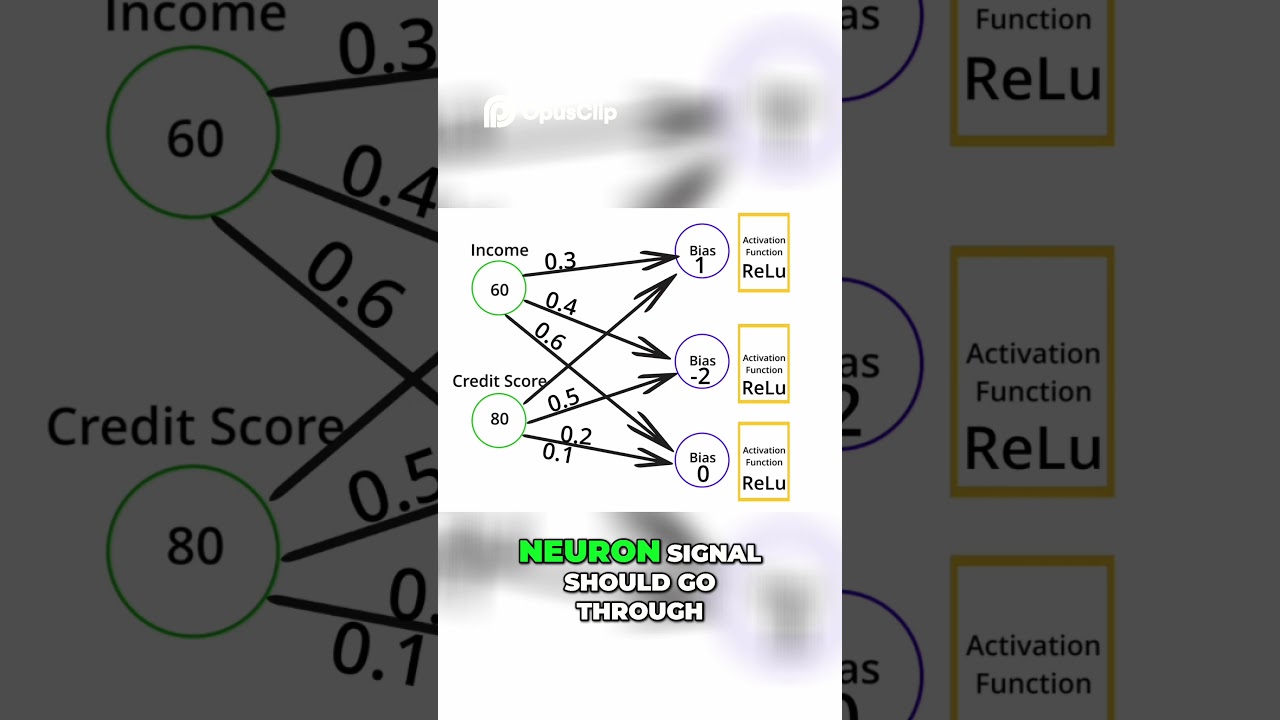
In the world of AI, there is a very famous activation function called ReLU (it stands for Rectified Linear Unit).
Don’t let the name scare you. It’s actually super simple! Imagine a gatekeeper for a neuron:
- If the signal is negative: The gatekeeper says, "Nope, stay quiet." The value becomes zero.
- If the signal is positive: The gatekeeper says, "Go ahead!" The value stays exactly what it was.
That’s it! By turning off the "bad" or "unimportant" signals (the negative numbers) and keeping the "good" ones, ReLU helps the computer focus on the patterns that actually matter.
The Big Picture
By using these simple rules, neural networks can stack layers upon layers of decisions. This is how modern AI—like the one reading this right now—can learn to write stories, translate languages, and even drive cars.
So, the next time you hear about deep learning, just remember: it’s all about a bunch of neurons deciding when to shout and when to stay quiet!