Hi, I’m Robby!
As a software engineer, I spend my days building AI systems. People often ask me, "How does a computer actually 'think'?" It sounds like magic, but it’s actually just a lot of math working together. Let’s look at how a neural network works using an easy example.
The Goal: Making a Decision
Imagine we want an AI to decide if a bank should give someone a loan. To do this, the AI needs two pieces of information, which we call inputs:
- Credit Score: How good you are at paying back money.
- Income: How much money you earn.
Step 1: The Hidden Layers
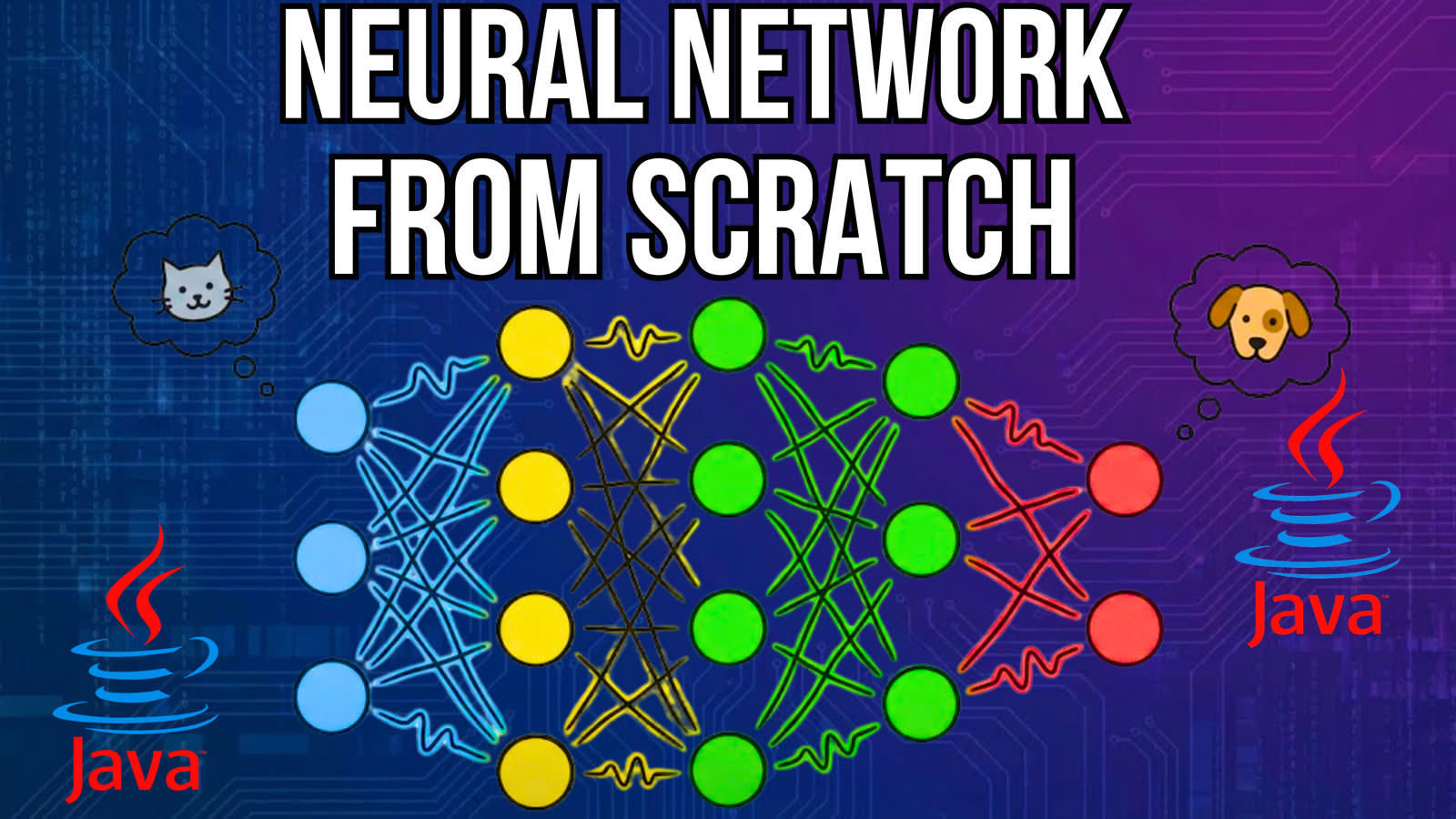
Think of a neural network like a series of filters. The data starts at the input and moves through "hidden layers." These layers are just groups of math equations.
Inside these layers, we have two secret ingredients:
- Weights: These decide which input is more important. For example, maybe the AI decides the credit score is more important than the income.
- Biases: These act like a safety adjustment to help the math match the real world.
Step 2: Activation Functions (The Brain's Switches)
After the math happens, the numbers get passed to an activation function. Think of this like a light switch.
- ReLU: This function acts like a filter that ignores negative numbers.
- Sigmoid: This one turns any number into a probability between 0 and 1. It helps the computer say, "There is a 90% chance this person will pay back the loan."
Step 3: Getting the Prediction
Once the data travels through all the layers, it reaches the end. The AI takes all those processed numbers and spits out a final answer.
It’s not perfect at first! When we build these, we show the AI thousands of examples. Every time it gets an answer wrong, it goes back through the layers and adjusts its "weights" to be more accurate next time.
Why This Matters
Neural networks aren't actually thinking like humans—they are just really good at finding patterns in data. By adjusting weights and using activation functions, computers can learn to spot things that even humans might miss.
Pretty cool, right? You just learned the foundation of how most modern AI works!