Hi, I'm Robby!
As a software engineer who builds AI systems, I get asked one question a lot: How does a computer actually learn?
People think AI is like magic, but it’s actually just a lot of math working together. Today, let’s talk about the most important part of that math: the Gradient.
Think of AI Like a Hiker in the Fog
Imagine you are standing on a giant, foggy mountain. Your goal is to get to the very bottom, but you can’t see where you are going. What do you do?
- You feel the ground with your feet.
- You find the direction that slopes downward.
- You take a step in that direction.
In the world of AI, the Gradient is your compass. It tells the computer exactly which way is "downhill." By moving downhill, the AI reduces its errors and makes better predictions.
The Engine: Calculus and Code
To find this "downhill" path, we use two special tools:
- Derivatives: Think of this as measuring the steepness of the ground at your exact spot.
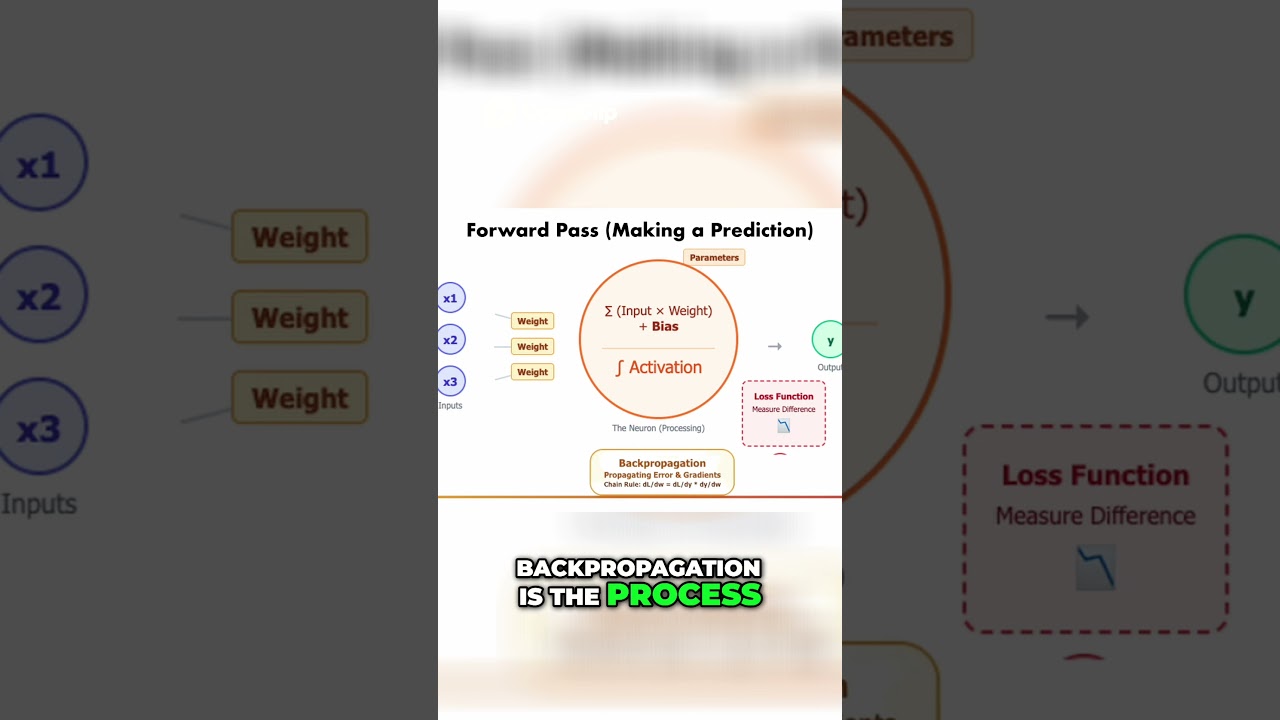
- Backpropagation: This is how the computer looks back at its mistakes. It goes through its own code and says, "Hey, that guess was wrong! Let's tweak these settings to do better next time."
When we combine these, the AI updates its "parameters" (its internal settings). Every time it does this, it gets just a little bit smarter.
Why Does This Matter?
Without the gradient, AI would be guessing randomly forever. It wouldn't know if its answer was getting better or worse.
Because of this process, we can train AI to do amazing things—like recognizing your photos, translating languages, or even driving cars. It all starts with that simple mission: find the slope and take a step.
Summary
- The Goal: Make the fewest mistakes possible.
- The Gradient: The math that points the way to a better answer.
- The Result: A computer that learns from its own experience.
Keep coding and keep asking questions! Science is just a way of exploring how things work.