Hi, I’m Robby!
As a software engineer, I spend my days building systems that help computers learn. One of the coolest parts of my job is teaching machines how to talk and listen. You might have heard of something called NLP.
Today, I’m going to break down what that actually means, without the boring jargon.
What is NLP?
NLP stands for Natural Language Processing.
To a computer, a sentence is just a bunch of random letters and symbols. It doesn't know the difference between a grocery list and a love letter. NLP is the special set of instructions (or "rules") we give to computers so they can read, understand, and even figure out how we are feeling when we talk.
How Does It Actually Work?
Think of it like a detective solving a mystery. When you talk to an AI, it looks for clues in three main ways:
- Structure: It looks at the grammar to see how words fit together.
- Patterns: It checks if it has seen these words in this order before.
- Nuance: This is the hard part! The AI tries to figure out if you are being serious, excited, or even sarcastic.
Because the AI is trained on millions of sentences, it can understand what you are saying, even if you’ve never typed that exact sentence to it before.
Where Do We Use This?
You are probably using NLP every single day without knowing it! Here are a few places you’ve seen it in action:
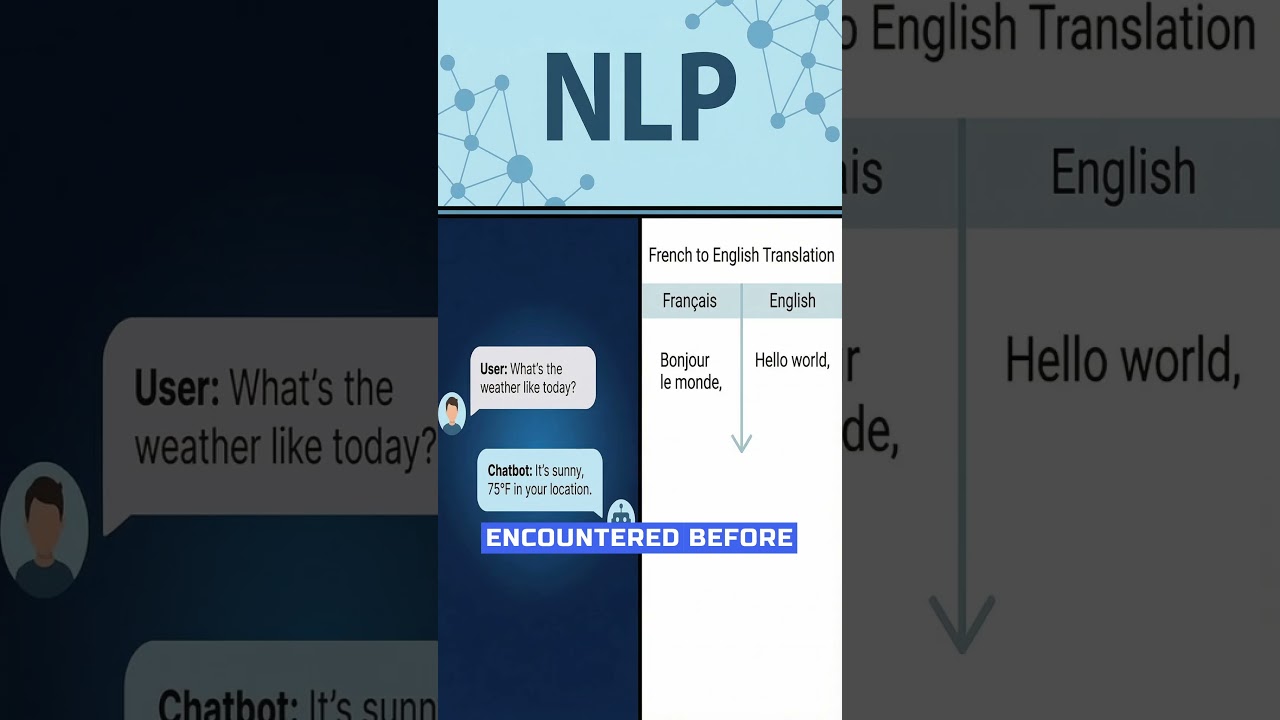
- Virtual Assistants: When you ask Siri or Alexa to set a timer, they are using NLP to understand your intent.
- Translation Tools: Apps that turn English into Spanish are using these same rules to swap words while keeping the meaning the same.
- Sentiment Analysis: Companies use AI to read thousands of customer reviews to see if people are happy or grumpy about their products.
The Big Picture
NLP is like a bridge. It connects the world of human feelings and language to the world of cold, hard math that computers love. As an engineer, my job is to make that bridge stronger every day.
Next time you ask your phone a question, remember: there is some pretty cool math working hard behind the scenes to make sure it understands you!