Hi there! I’m Robby.
I spend my days building AI systems, and I get asked this question all the time: How does an AI actually write a sentence?
It feels like magic, but it’s actually a cool process called the "decoder." Let’s break it down.
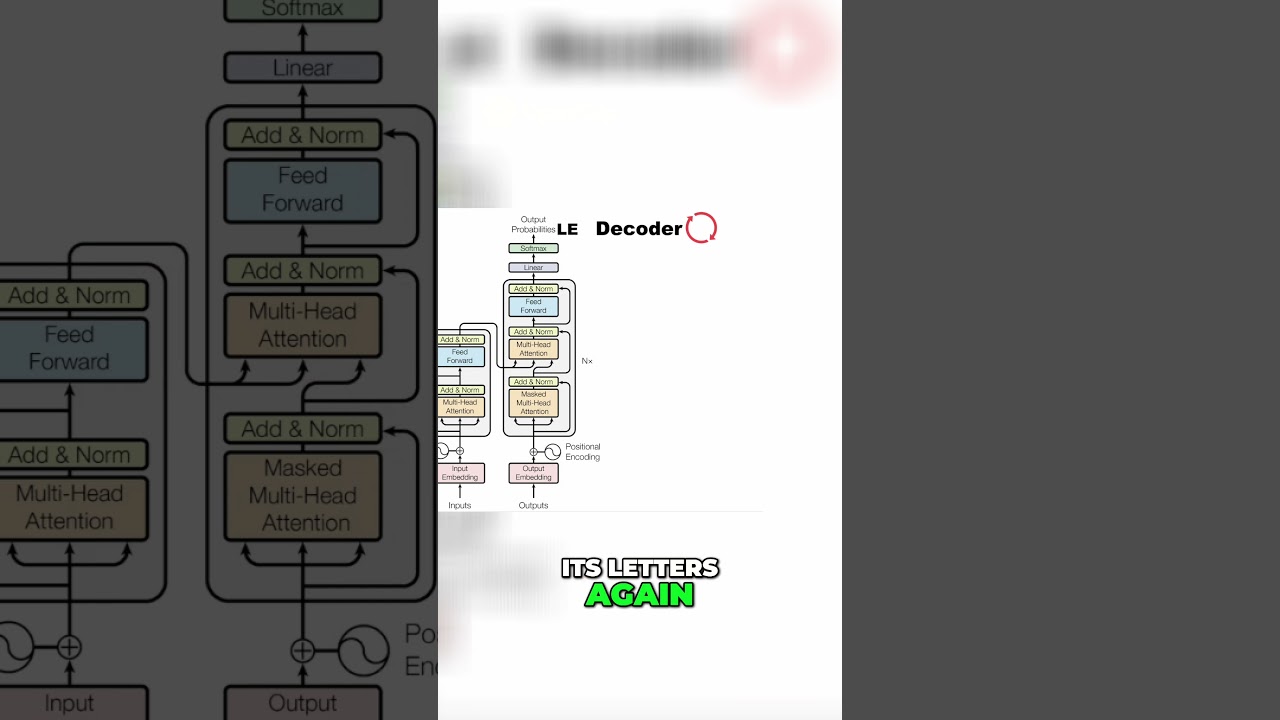
The Decoder: The AI's Writing Tool
Think of the decoder as the part of the AI that puts words on the page. It doesn't write the whole sentence at once. Instead, it writes one word at a time.
Imagine You Are Taking a Test
To understand the decoder, imagine you are sitting in a classroom taking a final exam:
- Your Notes (The Encoder): You have a stack of study notes on your desk. These notes represent the "context" or the information the AI gathered earlier.
- The Answer Sheet (The Decoder): You write your answer one word at a time, looking back at your notes every few seconds to make sure you stay on track.
This is exactly what the transformer decoder does! It looks at the context provided by the "encoder" (the notes) to decide which word should come next.
How It Works Step-by-Step
- Look at the context: The decoder checks the encoder's output to see what the conversation is about.
- Make a guess: It predicts the very next word.
- Repeat: It takes that new word, adds it to the sentence, and starts the process all over again to find the next word.
Every time you see an AI generate a long paragraph, it is actually looping through this process dozens or hundreds of times! It is constantly looking at its "notes" and adding one piece to the puzzle at a time until the thought is finished.
Why This Matters
By building sentences word-by-word, the AI can stay focused and make sure every word fits perfectly with the ones that came before it. It’s a simple loop, but it’s the secret behind how tools like ChatGPT can write stories, code, and emails so quickly.
Pretty cool, right? AI isn't magic—it’s just a really fast student checking its notes!